
Opens in a new tab
Your health and comfort matter to us053 414 2222
Illustration for the eye health guide
Knowledge centre · Health information

Care for your eyes,
protect the way you see.

Learn about vision and eye-health examinations, common conditions assessed by ophthalmologists and symptoms that need urgent care.
General educational information. An eye clinic is not currently available at Alsubhi Clinics.

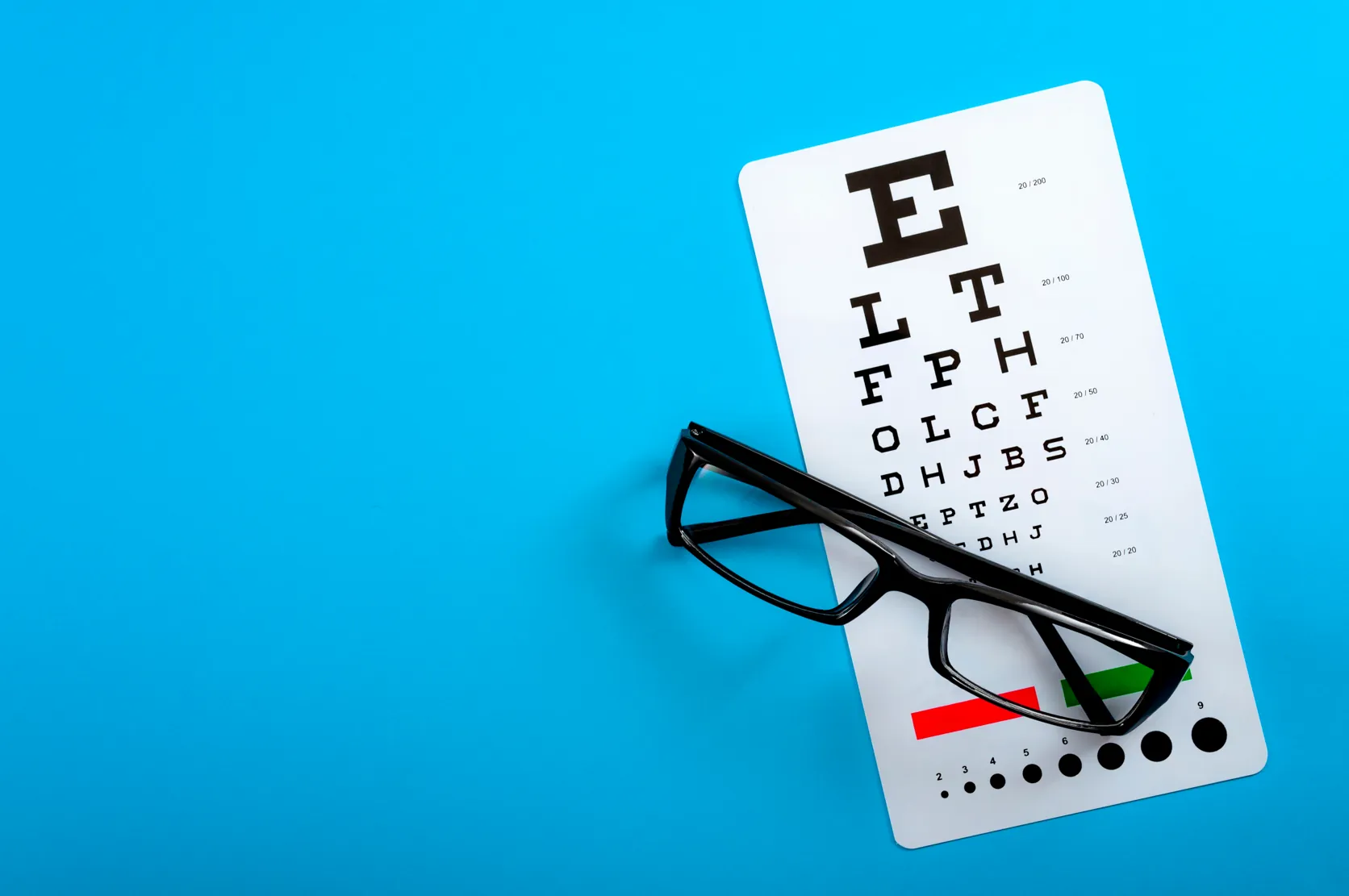
An eye examination goes beyond a glasses prescription

Blurred vision, strain or difficulty reading may prompt an appointment, while some eye conditions have few early symptoms. Examinations assess vision and eye health according to age, symptoms and risk factors.

Appropriate follow-up can help detect and monitor certain conditions. The clinician chooses necessary tests, including pupil dilation when indicated.

Illustration for the eye health guide

Areas covered by eye care

01

Vision and refractive errors

Assessment covers short-sightedness, long-sightedness, astigmatism and near-vision difficulty. Glasses, contact lenses or other options depend on the examination. Not every episode of blurred vision is a simple prescription issue.

02

Eye pressure and the optic nerve

Glaucoma risk is assessed using tests selected by the clinician. Eye pressure alone cannot explain every case or exclude glaucoma. Follow-up is valuable when risk factors or family history are present.

03

The retina and diabetes

An examination of the back of the eye helps assess the retina. Monitoring matters for people with diabetes or visual changes, alongside management of their general health.

04

Dryness and allergy

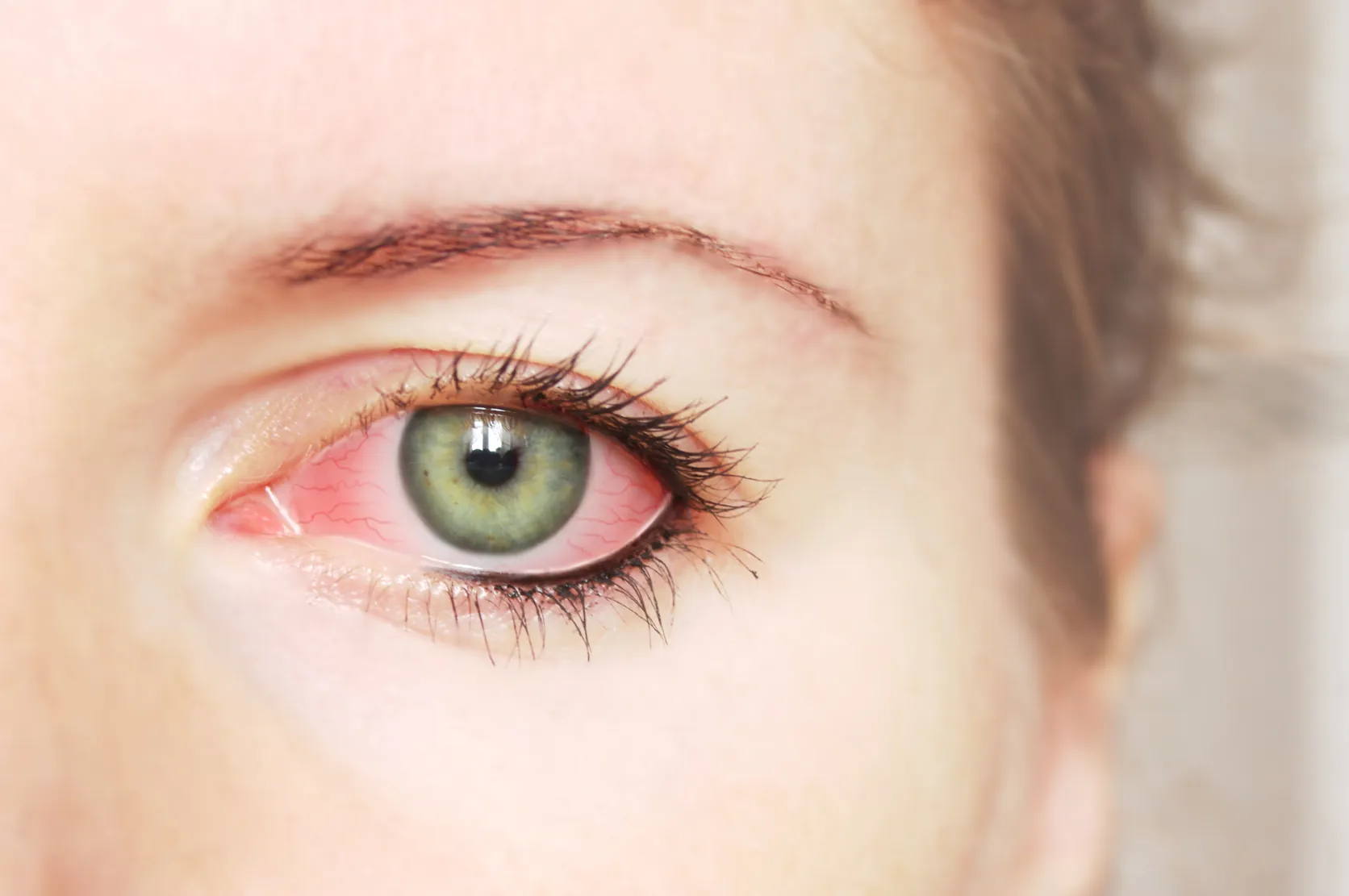
Dry eyes can cause burning, grittiness, redness and intermittent blur. Assessment considers tears, eyelids and symptoms. Lubricating drops do not treat every cause of redness.

05

Eyelids and tear drainage

Eyelid concerns, excessive watering and a foreign-body sensation may need assessment. Examination determines whether conservative treatment or specialist intervention is appropriate.

06

Cataracts and reduced vision

Cataracts, retinal disease and optic-nerve problems can affect vision. Assessment connects symptoms with findings before discussing suitable treatment, visual support or other ways to improve function.

When are symptoms urgent?

Sudden vision loss, severe pain or an eye injury needs urgent assessment. New flashes, many new floaters or a curtain-like shadow also require prompt medical attention.

Do not wait for a routine appointment when vision changes suddenly or pain is severe. Seek the appropriate urgent or emergency service.

Prepare for an eye examination

Bring current glasses, previous reports and a list of medicines. Explain when symptoms began, whether one or both eyes are affected, and any diabetes, injury or family history.

If pupil dilation is planned, ask how it may affect vision and whether you should arrange transport.

Everyday care and follow-up

Discuss a suitable examination schedule, particularly with diabetes, family history or existing eye disease. Use protective eyewear for activities that could injure your eyes.

Follow contact-lens hygiene and your clinician’s instructions. Persistent redness or pain should be assessed rather than repeatedly trying different drops.

Common questions

Is an eye examination only needed when vision is blurred?

No. Some conditions have few early symptoms. The examination schedule depends on age, health and individual risk factors.

Does eye pressure alone rule out glaucoma?

No. The clinician may also assess the optic nerve and choose other tests according to the findings.

Is an eye clinic available at Alsubhi Clinics?

This page provides educational information. An eye clinic is not currently available at Alsubhi Clinics.

Information helps you choose your next step

Explore related topics in our knowledge centre.