
Opens in a new tab
Your health and comfort matter to us053 414 2222
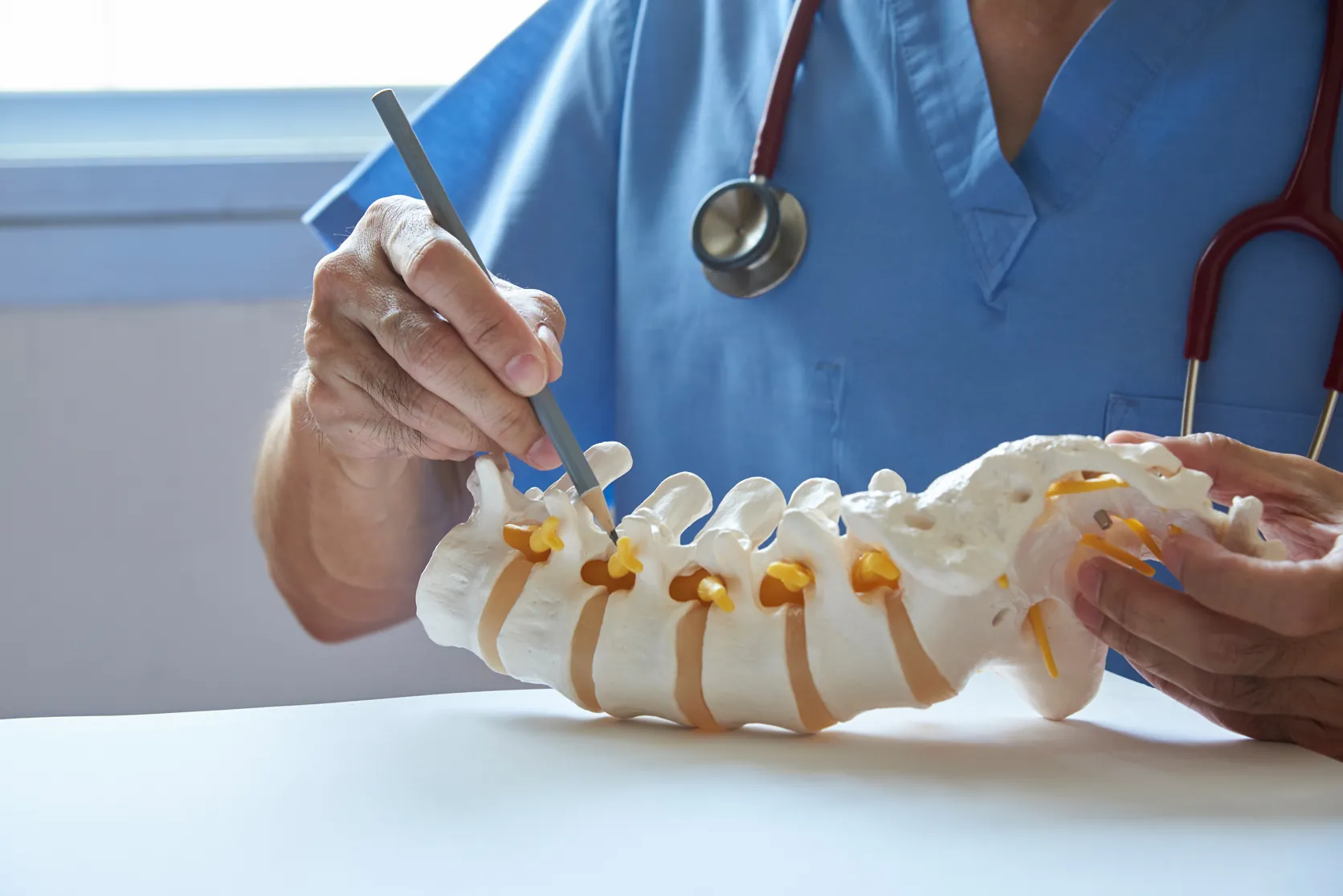
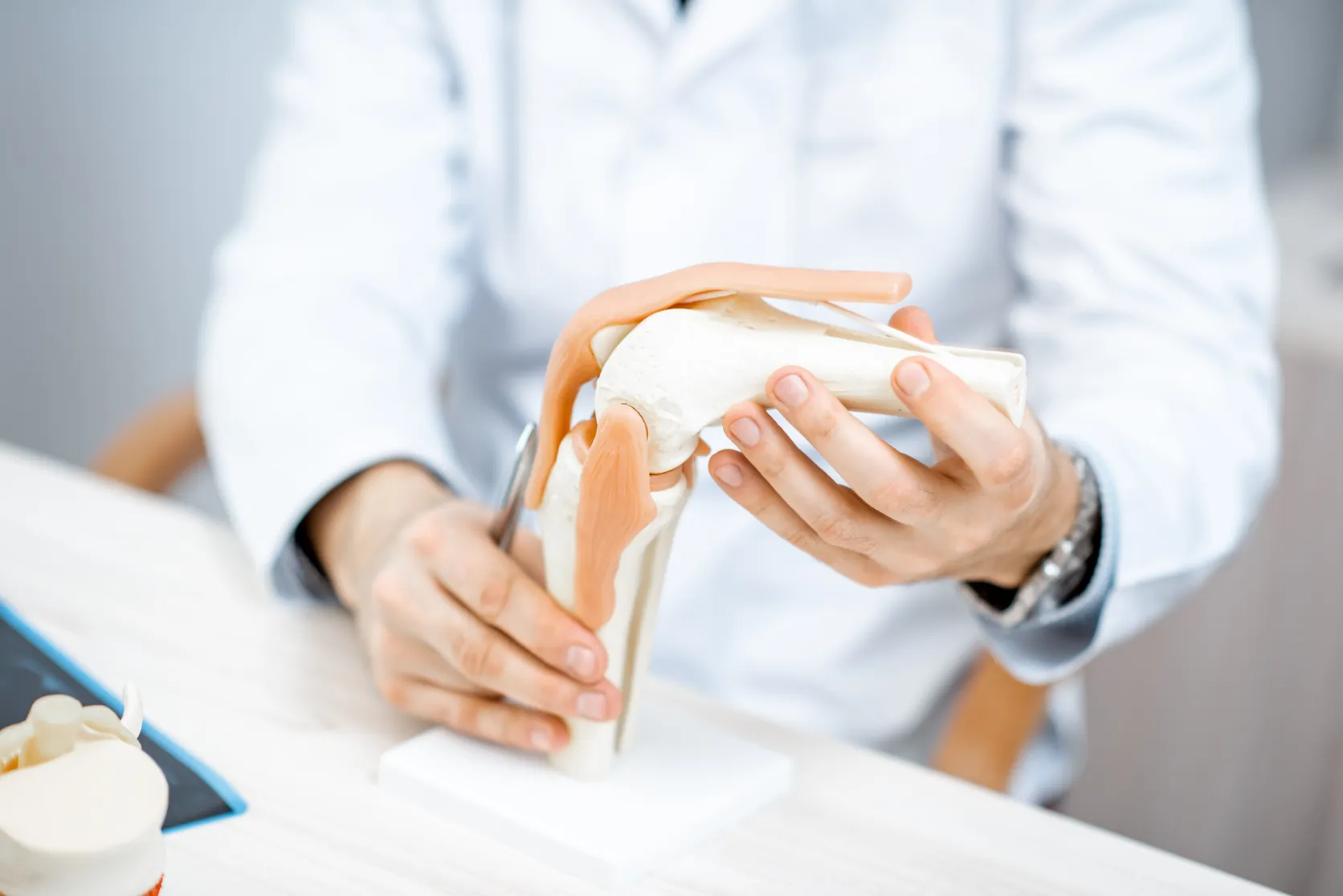
Anatomical model for the bones and joints guide
Knowledge centre · Health information

Understand the pain,
care for your movement.

Explore orthopaedics, conditions that affect movement, and how assessment helps guide treatment and rehabilitation.
General educational information. An orthopaedic clinic is not currently available at Alsubhi Clinics.

What does an orthopaedic specialist do?

Orthopaedics covers the musculoskeletal system: bones, joints, ligaments, tendons and muscles, and their movement and function. A problem may begin with a sudden injury or pain that returns with activity.

Assessment combines symptoms and examination, with imaging or targeted tests when needed. The plan depends on the cause and its effect on daily life.

Anatomical model for the bones and joints guide

Common areas of assessment

01

Fractures and injuries

An injury may need immobilisation, a cast or another intervention depending on its type and location. Obvious deformity, an open wound with a suspected fracture or inability to bear weight after an injury needs prompt assessment.

02

Osteoarthritis

It may cause pain during use and stiffness after rest, affecting knees, hips, hands or other joints. Severity and impact vary. Care should consider symptoms and function.

03

Back and spine concerns

Back pain may come from muscle strain or other causes. Persistent pain, limitation of activity or associated neurological symptoms deserves assessment rather than relying on an X-ray alone.

04

Tendons, ligaments and sport

The specialty covers knee, shoulder, ankle and other injuries. Care may involve changing activity, support or rehabilitation, with a gradual return to activity based on assessment.

05

Osteoporosis

Reduced bone strength raises fracture risk and may cause no symptoms until a fracture occurs. The clinician assesses risk factors, the need for bone-density testing and prevention or treatment options.

06

Hands, feet and children’s bones

Further subspecialties focus on particular body areas and age groups. Choosing expertise relevant to the problem helps guide assessment, care and follow-up.

Treatment does not always mean surgery

Options may include medicines, a brace, a cast, physiotherapy or rehabilitation. Some conditions need surgery. Benefits, risks and alternatives depend on the diagnosis.

In osteoarthritis, images alone do not show how symptoms affect walking, work or sleep. Discuss functional goals and how improvement will be measured.

Symptoms requiring urgent assessment

Back pain with weakness or numbness in both legs, reduced sensation around the genitals, or a change in bladder or bowel control needs emergency care. So does pain after a serious accident.

After a limb injury, seek urgent help for severe pain, bleeding or marked inability to move or bear weight, especially with an obvious fracture or fever and general illness.

Preparing for your visit

Note the location and duration of pain and its relationship to movement or injury. Bring previous imaging reports and a medicines list. Explain which activities are difficult and ask about rehabilitation and follow-up.

Discuss safe activity, nutrition, falls and medicines that affect bone health. Do not start supplements or demanding exercise on an injured area without appropriate assessment.

Common questions

Does every painful joint have osteoarthritis?

No. Joint pain has multiple causes. Diagnosis depends on the history, examination and tests when indicated.

Does every episode of back pain need imaging?

The clinician decides based on symptoms, examination and warning signs. Imaging should answer a relevant medical question.

Can I book an orthopaedic clinic at Alsubhi?

This is an educational guide. An orthopaedic clinic is not currently available at Alsubhi Clinics.

Information helps you choose your next step

Explore related topics in our knowledge centre.